Why the Same Size Fits Differently Across Every Activewear Brand (And How to Stop Guessing)
A medium in one activewear brand fitting like a small in another isn’t a fluke or a fluctuating body — there is simply no shared sizing standard across the industry, and every brand is quietly making its own rules. Understanding why closes most of the guesswork. Here is why sizing varies so much, what actually drives the gap, and the habits that stop the frustration.
Why There’s No Shared Sizing Standard
The structural reason: the no-regulatory-body (the clothing sizing having no enforced industry standard the way, say, shoe sizing loosely does — the everyone-invents-their-own-scale), the the-target-customer-shapes-the-fit (the a brand built for a narrower target customer sizing its ‘medium’ smaller than a brand designed for a broader range — the the-medium-is-a-marketing-choice), the the-vanity-sizing-incentive (the some brands deliberately sizing generously because it sells better to a customer who wants to see a smaller number — the sizing-can-be-a-marketing-lever), the the-fabric-and-cut-differences (the a compression legging and a relaxed jogger needing entirely different size logic even within one brand — the garment-type-changes-the-math-too), the the-inherited-block-patterns (the brands building new styles off old fit blocks that were never re-standardized — the legacy-patterns-compound-the-drift), and the reframe (the size-tag inconsistency as a structural industry gap, not a signal to change your own number).

What Actually Drives the Brand-to-Brand Gap
The real variables: the ease-and-negative-ease-differences (the amount of stretch built in relative to body measurements varying hugely by brand philosophy — the same-body-different-ease), the the-country-of-origin-block (the sizing blocks originating from different regional body-measurement standards depending on where a brand was founded — the origin-shapes-the-baseline), the the-size-range-breadth (the a brand offering XXS to 3X needing a more calibrated middle than one offering only S to L — the range-width-affects-precision), the the-measurement-points-differ (the some brands measuring at the widest hip point, others at a different spot entirely, per the how-activewear-should-fit-by-garment-guide logic — the where-they-measure-matters), the the-updates-without-notice (the brands quietly re-cutting a popular style’s block between seasons without renaming the size — the the-same-size-name-can-shift-over-time), and the frame (the gap as a mix of ease, origin, range and measurement-point differences — enough variables that no single number ever transfers cleanly).
The Habits That Stop the Guesswork
What actually works: the always-check-the-brand-specific-chart (the ignoring your usual letter size and matching your actual measurements to that brand’s chart every time — the measurements-over-memory), the the-read-fit-notes-not-just-size (the noting phrases like ‘runs small’ or ‘true to size’ in reviews, which are more reliable than the chart alone — the crowd-sourced-reality-check), the the-keep-a-personal-brand-notes-list (the writing down your actual size in each brand you own so future shopping skips the guesswork — the build-your-own-reference), the the-buy-two-sizes-when-uncertain (the ordering two sizes from a new brand with a easy return policy rather than guessing once — the hedge-with-returns-not-guesses), the the-measure-yourself-annually (the body measurements shifting enough over a year to make an old mental number unreliable — the remeasure-dont-assume), and the frame (the fix as measuring yourself, trusting the brand’s own chart over habit, checking fit-specific reviews, and keeping a running list of what actually fit — sizing inconsistency stops being frustrating once it stops being a mystery).
Activewear sizing varies so much between brands because there is no shared industry standard — each brand sets its own ease, sizing block origin, measurement points, and even sizing philosophy, with some deliberately sizing generously to please a customer who wants a smaller number on the tag. That means a medium in one brand and a medium in another are answering completely different questions, not measuring the same thing. The fix is to stop trusting the letter size and start trusting your own measurements against each brand’s specific chart, cross-check fit notes in reviews, and keep a running personal list of what actually fit well in each brand you’ve bought. Once sizing stops being treated as a fixed fact and starts being treated as brand-specific data, the guesswork mostly disappears.
See It in Motion
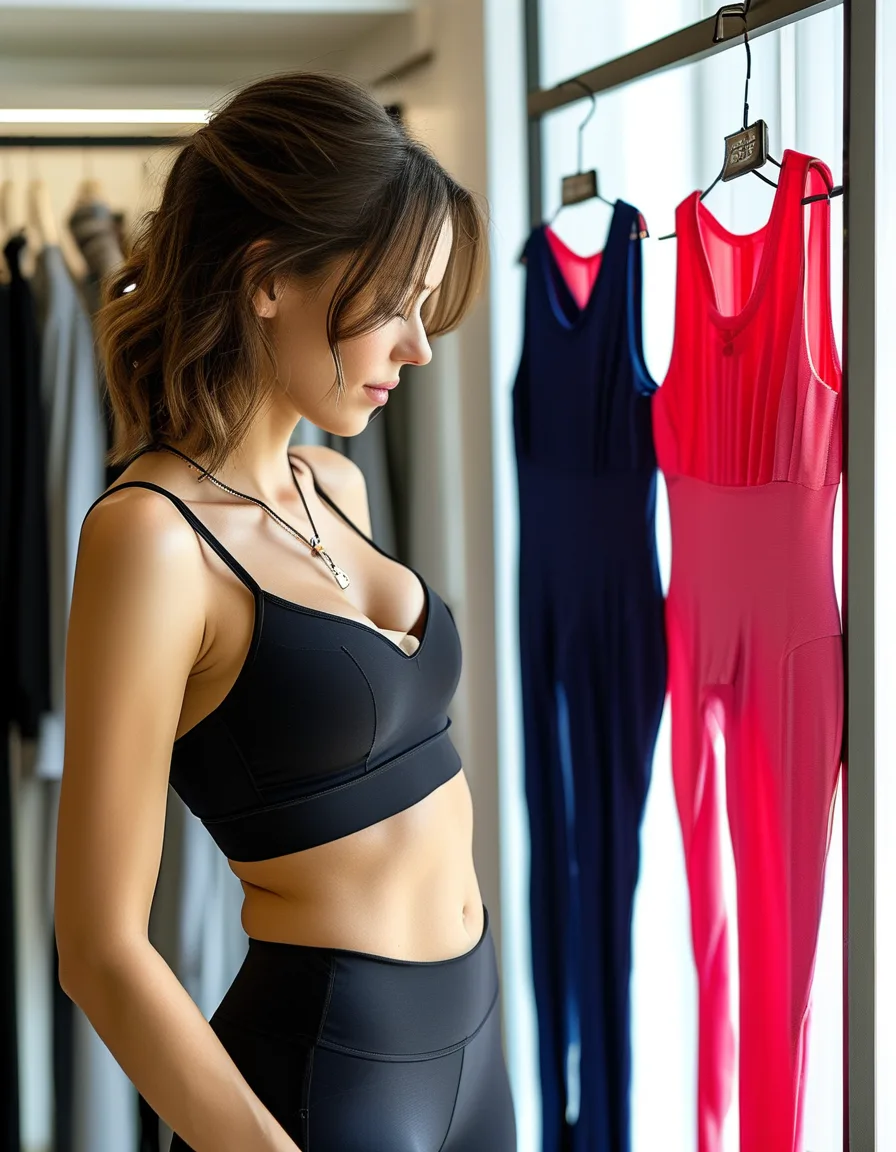
Seen here: High Waist Yoga Leggings with Inner Pocket — shop it on bubblelime.com
Keep Reading
This article is for general informational and styling purposes only. Fit, sizing, and product availability may vary.